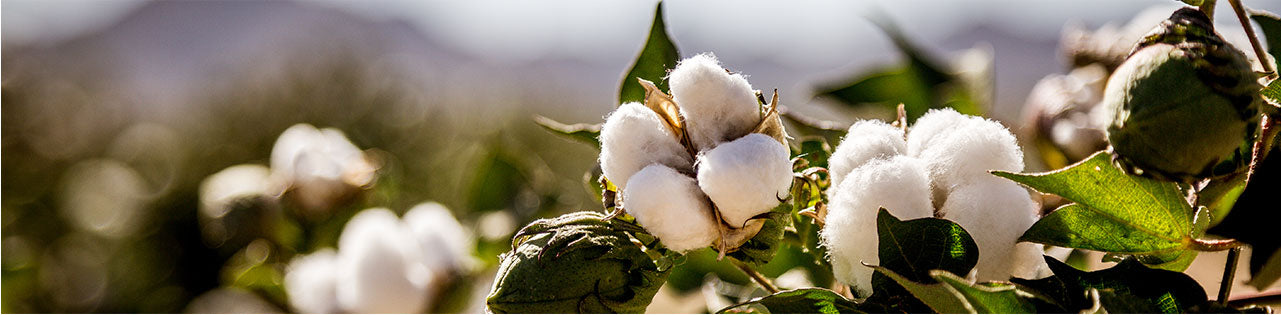
organic cotton

Organic cotton is an important part of our heritage, and something we will always take pride in as a core fiber.

WHAT IS ORGANIC COTTON ?

Organic cotton is cotton that is grown and produced using organic farming methods, without the use of synthetic pesticides, herbicides, or GMOs.

WHAT ARE THE POTENTIAL BENEFITS OF ORGANIC COTTON?

  • Synthetic Pesticide Free: Organic cotton farming relies on natural methods of pest control, such as beneficial insects and crop rotation, instead of chemical pesticides. This reduces the exposure of farmers and surrounding eco-systems to harmful chemicals.
  • Sustainable Soil Practices: Organic farming practices focus on maintaining healthy soil through composting, cover cropping, and reduced soil disturbance, promoting soil fertility and long-term sustainability.
  • Reduced Water Usage & Water Pollution: Organic cotton is said to use significantly less blue water* than conventional cotton. In addition, it helps reduce water pollution due to the absence of synthetic pesticides.
  • Safer for Farmers: Organic cotton farming can be safer for farmworkers because they are not exposed to the harmful pesticides used in conventional cotton farming.
  • Kinder to Eco-Systems: The absence of synthetic pesticides in organic farming can help protect local ecosystems, including wildlife and waterways, from pollution. This includes protection for our little pollinating bee friends!
  • Product Quality: Organic cotton is known for producing high-quality fibers with good strength and softness, making it desirable for textiles and clothing. In addition to the natural benefits, our organic cotton is ring-spun and combed, creating a more durable, softer product.

*blue water: fresh surface and groundwater

tencel™ lyocell

WHAT IS TENCEL LYOCELL?

TENCEL™ Lyocell is a sustainable fiber made from wood pulp.

IS TENCEL LYOCELL SUSTAINABLE?

TENCEL™ lyocell is produced by Lenzing, one of the textile leaders in global sustainability. Lenzing uses an innovative and eco-friendly closed-loop process to transform the responsibly managed wood pulp into high quality fibers. While most cellulosic fibers (like “rayon from bamboo”) are made using a toxic chemical bath, Lenzing’s process is completely non-toxic and organic.  They also re-use 99% of the solvent, creating a closed loop process that sets them apart from other textile production methods.

WHAT ARE THE BENEFITS OF TENCEL LYOCELL FIBERS?

  • Sustainable: Made from wood pulp from responsibly managed forests*, the closed loop production process recycles and reuses the solvent, reducing the environmental impact.
  • Luxuriously Soft: TENCEL™ lyocell fibers blended with spandex exceptionally soft and smooth, providing a buttery soft and comfortable feel against the skin.
  • Breathable: These fibers are highly breathable, allows moisture to be efficiently absorbed and released.
  • Moisture Regulating: TENCEL™ lyocell has moisture-wicking properties, quickly moving moisture away from the skin.
  • Hypoallergenic: Naturally hypoallergenic, less likely to irritate making it suitable for little bees with allergies or sensitive skin.
  • Biodegradable: TENCEL™ lyocell is biodegradable, it can naturally break down at the end of its life cycle.

*Lenzing procures wood and pulp only from third party certified sources

Our loved Honeysoft™ has been reimagined with a blend of even more TENCEL™ Lyocell and spandex, silky‑soft fibers made from responsibly sourced wood pulp using a gentle, earth‑friendly process. The result is an even silkier handfeel, cozy breathability, and a fabric blend that’s kind to the planet and extra gentle on delicate skin. And for the first time ever, Honeysoft™ now comes in a curated collection of playful prints - bringing extra happiness to everyday wear.

Honeysoft™ Lyocell

Why Honeysoft™ over viscose by bamboo?

Sustainable fiber

Luxuriously soft

Moisture regulating

Hypoallergenic

Shop Honeysoft™

Honeysoft™ Lyocell

Viscose or Rayon from Bamboo

FSC Certified wood source

A simple dark gray checkmark icon centered on a light gray background.
A large black metal X-shaped decorative cross on a solid white background.

Non-toxic process

A simple dark gray checkmark icon centered on a light gray background.
A large black metal X-shaped decorative cross on a solid white background.

Minimal water use in production

A simple dark gray checkmark icon centered on a light gray background.
A large black metal X-shaped decorative cross on a solid white background.

Durable

A simple dark gray checkmark icon centered on a light gray background.
A large black metal X-shaped decorative cross on a solid white background.

Ease of care

A simple dark gray checkmark icon centered on a light gray background.
A large black metal X-shaped decorative cross on a solid white background.

Anti-pilling

A simple dark gray checkmark icon centered on a light gray background.
A large black metal X-shaped decorative cross on a solid white background.
Shop Honeysoft™

recycled polyester

WHAT IS RECYLED POLYESTER?

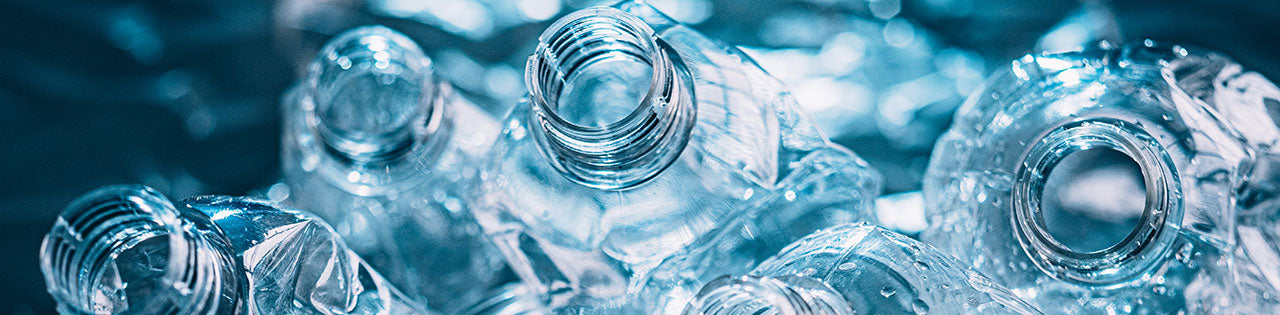
Recycled polyester is designed to be a more sustainable fiber by repurposing plastic materials. Our 100% recycled polyester is made from certified recycled materials that are cleaned, processed, and converted into fibers. The result is a durable, high-quality fabric that's thoughtfully made and designed to stand up to everyday wear.

IS GRS CERTIFIED RECYCLED POLYESTER MADE FROM RECYCLED MATERIALS?

Our 100% recycled polyester is made from Global Recycled Standard (GRS) certified recycled materials. This helps reduce plastic waste and the need for virgin polyester, which is made from a non-renewable resource, petroleum. The production process for recycled polyester uses less energy and water, and generates fewer greenhouse gas emissions compared to virgin polyester.

WHAT ARE THE BENEFITS OF RECYCLED POLYESTER?

More Sustainable

  • Reduced Waste: Our 100% recycled polyester is made from GRS certified recycled materials, helping reduce the amount of waste that could otherwise end up in landfills.
  • Conservation of Resources: Virgin polyester is made from petroleum, the same material used to make plastic. Petroleum is a natural resource that, when extracted, may disturb land and marine ecosystems. Using recycled materials to make polyester helps reduce the need for virgin petroleum.
  • Lower Carbon Footprint: Recycled polyester generates fewer greenhouse gas emissions and consumes less energy and water compared to virgin polyester.

Traceability & Independent Certifications

  • Transparency in the Supply Chain: Global Recycled Standard (GRS) certification provides traceability throughout the supply chain by verifying recycled content through an independently certified chain of custody. This helps ensure that the recycled content in each product is authenticated, providing us with peace of mind that our recycled polyester is made with verified recycled materials.
  • Certified by Third-Party Organizations: Our recycled polyester is made with Global Recycled Standard (GRS) certified materials, a globally recognized certification that verifies recycled content while supporting responsible environmental, social, and chemical practices throughout the supply chain.

No Topical Flame Retardants

  • Our recycled polyester pajamas are designed without the use of topical flame retardants, which are typically used on children's micro-fleece pajamas. Instead, our recycled polyester fabric is engineered with a phosphorus-based flame retardant embedded into the fiber at the molecular level to help prevent exposure to surface chemicals.

Durability & Quality

  • Strength & Longevity: Our recycled polyester fabrics are thoughtfully designed for lasting durability, with excellent resistance to stretching, shrinking, and fading.